
Software for running a federally funded research center
SimplyScholar keeps your center’s people, publications, events and instruments in one record, and publishes your public website from it. New papers arrive from CrossRef as they are published, and researcher profiles fill in from ORCID, so the site stays current without extra work.
A 30-minute demo using your center’s own data.
Your center · Tuesday
7:02 am
Since yesterday
-
6 new publications imported from CrossRef and matched to your researchers.
-
2 researcher profiles updated from ORCID.
-
Thursday seminar page published.
-
New research highlight on the public site.
Every change above is on your public site.
Research centers at these universities have used SimplyScholar






The problem
Your center’s information is in too many places
Rosters in a spreadsheet, papers in email, events on a calendar, and a website that someone updates when they have time. Each report starts with collecting it all again.
- People miss what is happening
- You send the update, and half the center reads it. The new postdoc has not heard about the outreach events, and nobody can find the page for last month’s seminar.
- After One public site that shows the center’s people, papers and events as they are now.
- Researchers do not answer data requests
- You ask fifty researchers for their new papers. A few reply. You find most of the rest yourself, in email threads and journal alerts.
- After Publications and profiles arrive on their own, so you ask researchers for less.
Product
What SimplyScholar does
SimplyScholar holds one record of your center. It fills in what it can from public sources, and it publishes your website from that record.
- Center record
- People
- Publications
- Events
- New paper from CrossRef
- One record for the center
-
People with their roles and start and end dates, publications, projects, events, outreach and shared instruments, all in one place. When a student graduates or a postdoc joins, you change it once.
- Publications and profiles that arrive on their own
-
New papers are imported by DOI from CrossRef as they are published, and matched to your researchers. Researcher profiles fill in from ORCID. Award details come from the National Science Foundation (NSF) award records.
- A public website that stays current
-
Your center’s website is built from the same record: the researcher directory and profiles, publication lists, events, projects and research highlights. Equations written in LaTeX or MathML display correctly. When the record changes, the site changes with it.
Kaizen, the team that builds SimplyScholar, also writes newsletters, research highlights and researcher interviews for centers, as a separate service.
Records
What it keeps
Four sources feed one record, and your public website is built from it.
- People and projects
- Every Principal Investigator (PI), postdoc, graduate student and technician, with their roles and start and end dates, and the research groups and projects they work in.
- Publications
- Imported by DOI from CrossRef and matched to your researchers, then listed on your public site.
- Outreach and broader impacts
- Research Experiences for Undergraduates (REU) and Research Experiences for Teachers (RET) programs, K-12 visits, workshops and public events, each recorded when it happens.
- Events and meetings
- Seminars, workshops, retreats and industry days, each with its own page on your public site.
- Shared instruments
- Each shared instrument as its own record, so outside researchers can see what your center has.
- The public website
- Researcher directory, publication lists, events and research highlights, all built from the same records.
Design partners
Help us build annual reporting
We are building data collection and annual report drafting with a small group of centers. Design partners tell us how their reporting works today, and they get it first.
Run a user facility? We are also building intake and reporting for outside users, with a few facilities. See the design-partner program for user facilities.
Who builds it
Built by the team behind the National Science Foundation program websites
SimplyScholar is built by Kaizen. It grew out of neuronex.org, the NeuroNex program website we built for the University of Houston in 2018. We have built National Science Foundation program and center websites since 2016, including mip.org for the Materials Innovation Platforms (with Penn State), mrsec.org, prem-dmr.org, and dmref.org (with UC Santa Barbara). In 2026, the National Science Foundation funded a supplement that keeps dmref.org running.
For some individual centers, we have also kept the roster, the publications and the outreach records current between reports.
KZN has ensured our complex work is communicated openly and clearly to the public.
- 2016
- The year we started building National Science Foundation program and center websites.
666 - Program websites built for National Science Foundation programs, shown below.
999 - Universities where research centers have used SimplyScholar.
Program websites built on SimplyScholar
-
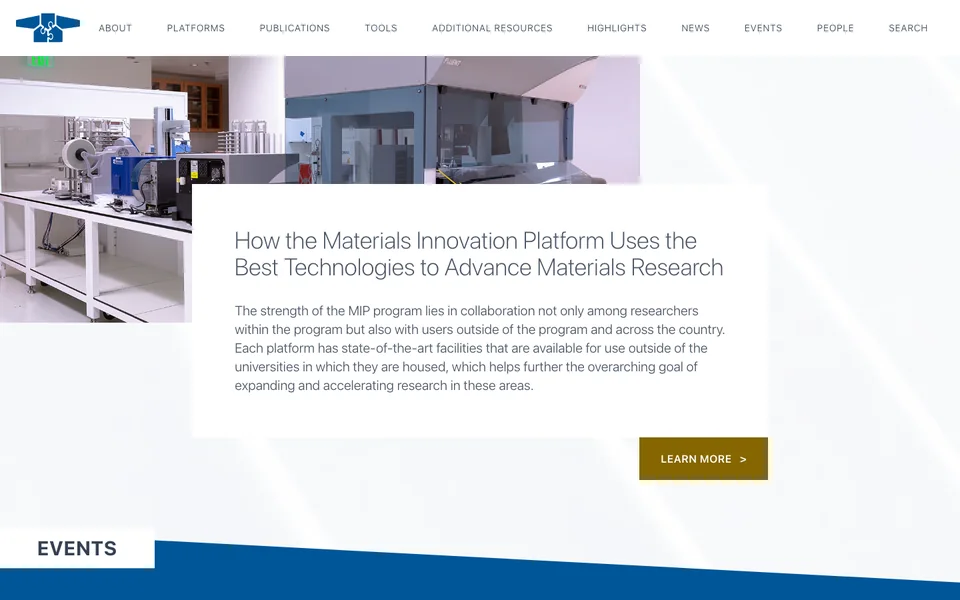
mip.org
Materials Innovation Platforms
-
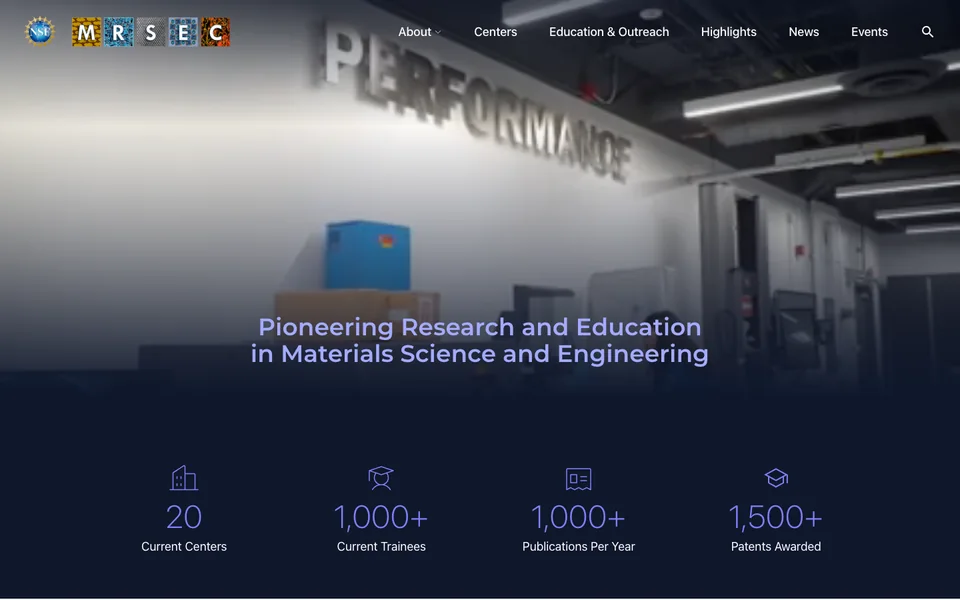
mrsec.org
Materials Research Science and Engineering Centers
-
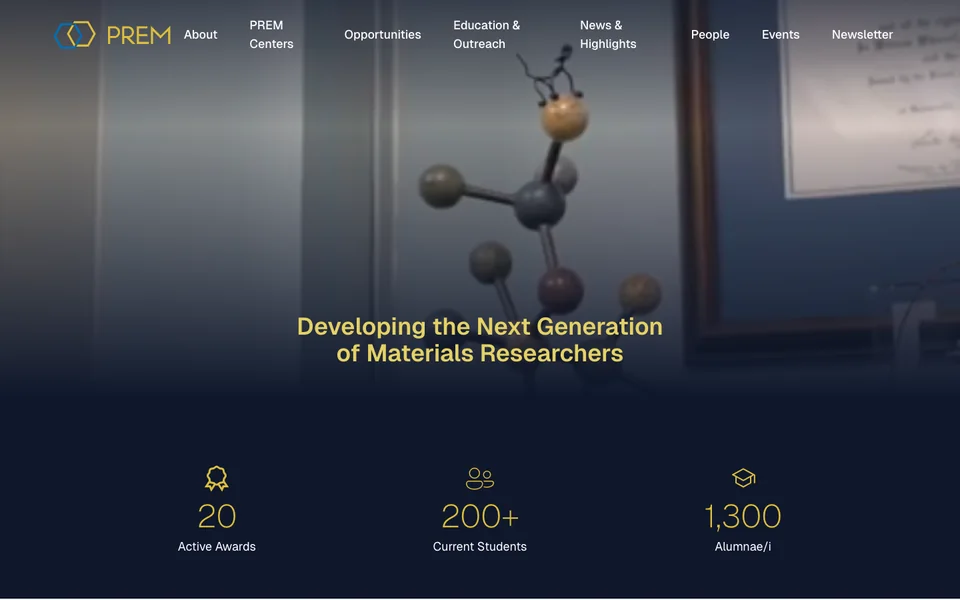
prem-dmr.org
Partnerships for Research and Education in Materials
-
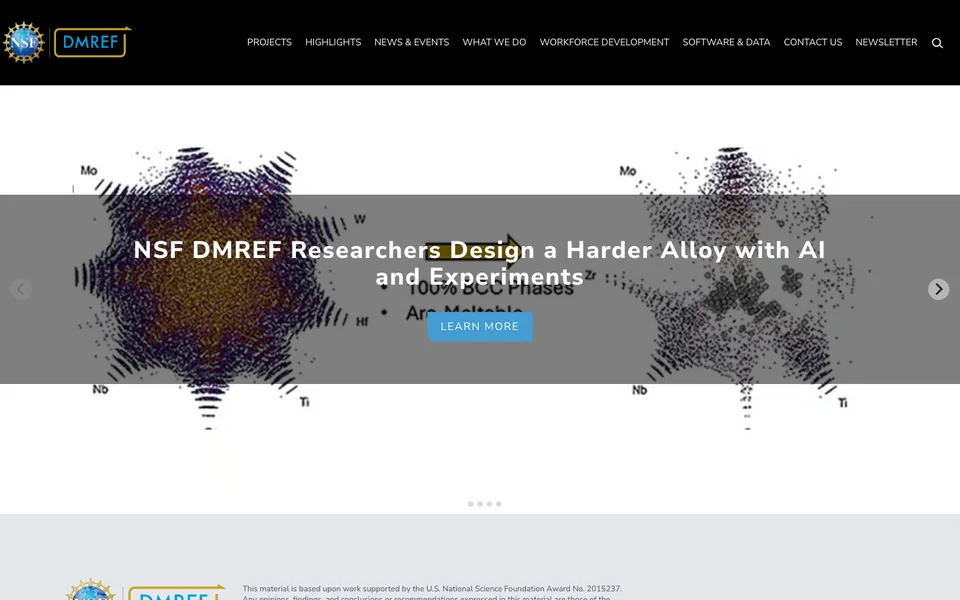
dmref.org
Designing Materials to Revolutionize and Engineer our Future
-
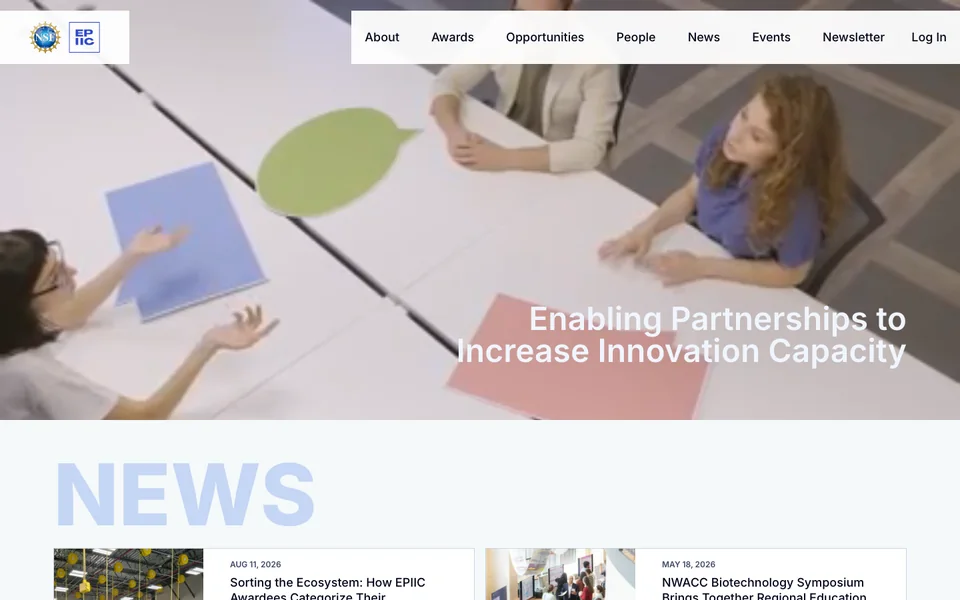
nsf-epiic.org
Enabling Partnerships to Increase Innovation Capacity
-
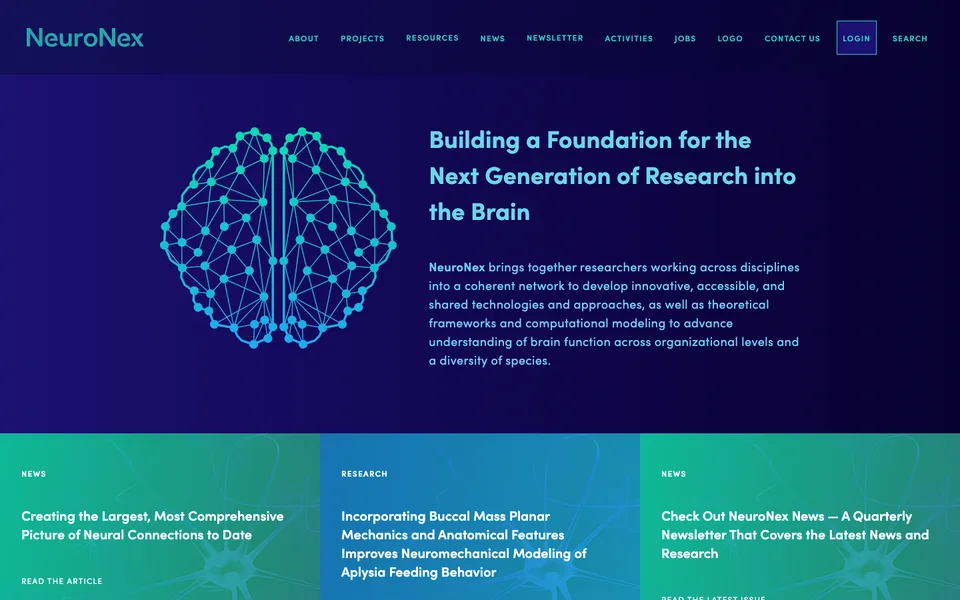
neuronex.org
Next Generation Networks for Neuroscience
Hosted on Amazon Web Services (AWS) in the United States, encrypted in transit and at rest, with each center’s data kept separate. Kaizen built and ran health data systems under the Health Insurance Portability and Accountability Act (HIPAA) for a state health department, and built a student records system under the Family Educational Rights and Privacy Act (FERPA) for a public school system.
Who it is for
- Center directors and PIs
- See the center’s people, publications, events and outreach in one place, and send anyone to a public site that is up to date.
- Program coordinators
- Spend less time updating the website and copying records between systems. Change a record once, and the directory, the publication lists and the public site all follow.
- Researchers and students
- Your profile fills in from ORCID and your new papers appear on their own, so your page on the center site stays current without you logging in.
Pricing
Under two percent of a typical center budget
You can budget it into the award as center infrastructure. Priced by the features you use, not by award size or the number of researchers. No per-seat fees.
Website
A public website built from your researchers and their publications.
$99a month
$1,188 a year, billed annually
- Public website
- Researcher profiles with ORCID import
- Publication import from CrossRef
Center
Most centers
The website, plus the records a research center keeps.
$799a month
$9,588 a year, billed annually
- Everything in Website
- Multiple research groups and thrusts
- Events and outreach records
Facilities
For centers and platforms that run shared instruments.
$2,499a month
$29,988 a year, billed annually
- Everything in Center
- Shared instrument records
- Priority support
Network
Several centers, or a program with many centers.
Custom
Quoted for your network
- Everything in Facilities
- Multiple centers on one account
- Cross-center public directory
Every plan includes the public website. Plans are billed annually, and academic institutions can pay by purchase order. Founding-customer pricing is available for the first ten deployments.
Common questions
How is this different from a research center website?
A website is one thing SimplyScholar produces. Underneath it is one record of your center: people, publications, projects, events, outreach and shared instruments. The public site is built from that record, so it stays current when the record changes.
How long until it is running?
Publication import from CrossRef and profile import from ORCID start as soon as your researcher list is in, so the directory and publication lists fill in before you ask anyone for anything. Your public site can be live within weeks.
Can we pay from the grant?
Yes. Centers can budget it into the award as center infrastructure. Academic institutions can pay by purchase order, and billing is annual.
See SimplyScholar with your own center’s data
A 30-minute demo using your own people and publications.